Category: Vocal Training & Techniques

How Singing Apps Can Help You Strengthen Your Vocal Range

There was a time when learning to sing meant hiring a vocal coach or joining a choir. But in today’s digital world, technology has made vocal training more accessible than ever. Whether you’re a total beginner or an experienced singer looking to push your limits, singing apps can be a game-changer.

These apps are designed to help singers build vocal strength, improve pitch accuracy, and expand their range—all from the comfort of home. With structured lessons, real-time feedback, and tailored exercises, they make it possible to develop your voice without needing formal training.

If you’ve ever felt like your high notes are just out of reach or that your lower range lacks power, you’re not alone. Many singers struggle with vocal range limitations, but the good news is that it can be improved. The key? The right techniques, consistency, and the best tools to guide you—and that’s where singing apps come in.

Understanding Vocal Range and Why It Matters

Your vocal range is the span of notes you can comfortably sing, from the lowest to the highest. A strong and flexible vocal range allows you to sing more songs effortlessly, maintain vocal health, and improve overall singing technique. However, expanding your vocal range safely requires proper exercises, consistency, and the right guidance—this is where singing apps come in.

The Benefits of Singing Apps for Vocal Range Expansion

Singing apps offer structured exercises, real-time feedback, and interactive tools that help you extend your vocal range gradually. Here’s how they can help:

1. Personalized Vocal Exercises

Most singing apps analyze your current vocal range and tailor exercises based on your abilities. They provide warm-ups and scale-based drills that focus on stretching your vocal cords while maintaining vocal health. Some popular apps, such as Vanido, Sing Sharp, and Vox Tools, include structured daily workouts that slowly expand your range over time.

2. Pitch and Range Tracking

Apps like Yousician and SingTrue use real-time pitch detection to track your vocal progress. They visually display your vocal range and show which notes you can hit consistently. By seeing your improvement over time, you can adjust your technique and set new goals for range expansion.

3. Breath Control and Stamina Building

Breath control plays a crucial role in hitting high and low notes comfortably. Singing apps often incorporate breathing exercises to help you manage airflow and sustain notes longer. The Vocal Coach app and 7 Minute Vocal Warm-Up are great tools for improving lung capacity and breath control, both of which are essential for strengthening vocal range.

4. Guided Warm-Ups and Cool-Downs

Just like athletes warm up before a workout, singers need to prepare their vocal cords before tackling extreme notes. Apps provide structured warm-ups that prepare your voice for higher and lower notes, ensuring that your vocal cords stay healthy and flexible. Guided cool-downs also help prevent strain and maintain long-term vocal health.

5. Singing in Different Registers

To expand your vocal range, you need to work on both chest voice (lower notes) and head voice (higher notes). Some apps, such as Sing Sharp and VoCo Vocal Coach, offer specific exercises to strengthen your transitions between these registers, helping you bridge gaps in your range more smoothly.

6. Immediate Feedback and Corrections

One of the best advantages of singing apps is their ability to provide instant feedback. AI-powered apps analyze your pitch accuracy and suggest adjustments in real-time. This helps you recognize when you’re straining or singing off-key, preventing bad habits that could damage your vocal cords.

How to Use Singing Apps Effectively for Range Expansion

To get the most out of these apps, follow these best practices:

  • Be Consistent: Just like any other skill, expanding your vocal range requires daily or regular practice. Set a schedule and stick to it.
  • Start Slow: Don’t push your voice too hard. Work within your comfortable range and gradually extend it using app-guided exercises.
  • Use Headphones: Many apps work best when you use headphones with a microphone, as this helps the app detect your pitch more accurately.
  • Combine Apps for Best Results: No single app covers everything. Try using multiple apps that focus on different aspects, such as pitch accuracy, breath control, and vocal strength.
  • Record Yourself: Some apps allow you to record your singing sessions. Reviewing your recordings helps track progress and identify areas for improvement.

The Best Singing Apps for Strengthening Vocal Range

If you’re looking for the best apps to help strengthen your vocal range, consider these top-rated options:

  1. Yousician – Provides interactive lessons with real-time feedback.
  2. Vanido – Offers AI-driven personalized vocal exercises.
  3. Sing Sharp – Focuses on range expansion and pitch training.
  4. VoCo Vocal Coach – Designed for professional vocal coaching.
  5. SingTrue – Great for improving pitch accuracy and ear training.
  6. 7 Minute Vocal Warm-Up – Excellent for quick warm-ups and breathing exercises.
source: Aussie Vocal Coach

Expanding your vocal range is a process that requires patience, proper technique, and consistent training. Singing apps provide a convenient and effective way to develop your voice, offering personalized exercises, real-time feedback, and structured training programs. By incorporating these tools into your daily practice routine, you can strengthen your vocal range, improve your singing skills, and sing with more confidence.

Start exploring these apps today, and take your vocal abilities to the next level!

The written content on this page was generated by ChatGPT.
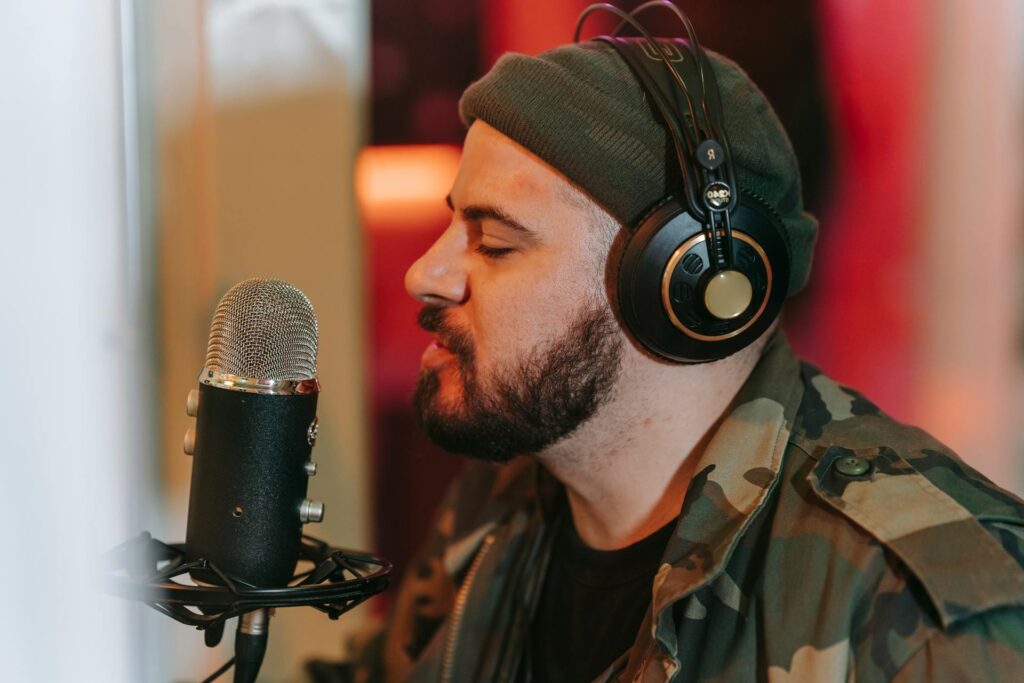
Master Vocal Warm-Ups with These Essential Singing Apps

Vocal warm-ups are an essential part of any singer’s routine. Whether you’re gearing up for a performance or simply practicing at home, warming up your voice properly can make all the difference in your vocal health, tone, and range. As a singer, it’s crucial to take the time to prepare your vocal cords, just as athletes warm up their muscles before a game.

Luckily, in today’s world of technology, you don’t have to go it alone. With the help of singing apps, you can easily incorporate effective warm-up exercises into your routine. These apps provide everything from simple breathing exercises to more advanced techniques that target specific aspects of your vocal abilities. Whether you’re a seasoned performer or just starting your singing journey, these apps can help you strengthen and refine your voice, no matter where you are.

Why Vocal Warm-Ups Matter

Just like stretching before exercising, warming up your vocal cords is essential to prevent strain and injury. It helps to increase blood flow to the muscles involved in producing sound, making your voice more flexible and responsive. Here’s why warm-ups are important:

  • Improved Range: Warming up stretches your vocal cords, making it easier to hit both high and low notes.
  • Tone Control: Vocal warm-ups can improve the clarity and richness of your voice by relaxing your vocal muscles and aligning your breath.
  • Injury Prevention: Just as you wouldn’t run a marathon without warming up, you shouldn’t sing for extended periods without preparing your voice.
  • Enhanced Performance: A warm-up primes your voice for dynamic and controlled singing, allowing you to perform with more power and accuracy.

For anyone serious about singing, regular warm-ups are as important as practicing your songs. But with so many singing apps available, it can be difficult to know where to start. Let’s look at some of the best ones for mastering your warm-up routine.

Top Singing Apps to Perfect Your Vocal Warm-Ups

1. Yousician – A Complete Vocal Training Companion

Yousician is a popular app known for its versatility in teaching musical instruments, but its singing lessons are also top-notch. This app is perfect for anyone who wants a guided and interactive approach to warming up their voice.

Why It Works:

  • Personalized Warm-Ups: Yousician tailors its warm-up exercises to your vocal range and skill level, so you’re always working on the right techniques for you.
  • Interactive Feedback: As you practice, the app provides instant feedback, helping you stay on track with your vocal goals.
  • Breathing Exercises: Proper breath control is essential for any singer. Yousician includes exercises to help strengthen your breathing, a key element of any effective warm-up.

If you’re looking for an app that can guide you through every stage of vocal warm-ups, Yousician is a great place to start. It’s ideal for singers who want both structure and flexibility in their practice.

2. SingTrue – Perfect Your Pitch with Fun, Interactive Drills

SingTrue is an app that’s all about pitch accuracy, which is crucial when warming up. It’s designed to help you train your ear and improve your pitch control—two skills that can be tricky for beginners but are essential for warming up your voice.

Why It Works:

  • Pitch Training: SingTrue helps you fine-tune your ability to stay on key by providing exercises that are fun and engaging.
  • Tone Enhancement: The app focuses not just on pitch but also on improving the overall tone of your voice.
  • Custom Warm-Ups: SingTrue offers exercises that target specific vocal challenges, so you can focus on the areas that need the most attention.

If you find yourself struggling to stay on pitch during your warm-ups, SingTrue can provide the right training to help you stay in tune.

3. Warm Me Up – A Quick, Efficient Solution

For singers with limited time, Warm Me Up is a fantastic option. This app offers a variety of warm-up exercises that can be tailored to your voice, making it a perfect solution for anyone who needs to prepare quickly.

Why It Works:

  • Vocal Range Specific Exercises: Warm Me Up allows you to choose exercises based on your vocal range, ensuring each warm-up is suited to your voice type.
  • Flexible Timing: Whether you have just five minutes or thirty, the app lets you adjust the length of your warm-up, so it’s convenient no matter your schedule.
  • Scale and Arpeggio Practice: The app includes vocal exercises like scales and arpeggios that help prepare your voice for any performance.

If you’re someone who needs a quick and effective way to warm up, Warm Me Up can help you hit all the right notes without a lengthy commitment.

4. Voice Coach – Strengthen Your Voice with Targeted Training

Voice Coach is more than just a warm-up app—it’s a comprehensive vocal training tool. If you’re looking for an app that covers everything from breathing exercises to advanced warm-ups, Voice Coach is the one for you.

Why It Works:

  • Breath Control Exercises: The app’s focus on breathing will help you support your voice and avoid unnecessary strain.
  • Pitch and Range Warm-Ups: Voice Coach includes exercises designed to expand your vocal range, which is perfect for singers looking to stretch their abilities.
  • Progress Tracking: You can track your progress, which makes it easier to see how your voice has improved over time.

Voice Coach is an excellent choice for singers who want to develop their full vocal potential through structured and focused warm-ups.

5. Vocalizer – Improve Agility and Range

If you’re an advanced singer looking to improve agility, flexibility, and vocal strength, Vocalizer is a great app to add to your warm-up routine. It’s especially helpful for classical singers and those needing rapid vocal control.

Why It Works:

  • Agility Drills: Vocalizer offers fast-paced exercises designed to improve your vocal agility, which is important for advanced warm-ups.
  • Range Expansion: This app targets both your high and low notes, allowing you to gradually expand your vocal range.
  • Instant Feedback: Vocalizer provides real-time feedback on pitch accuracy, helping you adjust your technique as you go.

For singers aiming to refine their vocal control and flexibility, Vocalizer is a powerful app for both warm-ups and ongoing vocal development.

Maximizing Your Vocal Warm-Ups

To get the most out of these singing apps, here are a few tips to make your warm-ups as effective as possible:

  1. Practice Consistently: Warm-ups are most effective when practiced daily. Even just 10-15 minutes of focused warm-up exercises will pay off over time.
  2. Focus on Breath Control: Never skip breathing exercises. Proper breath control is essential for sustained vocal health, and apps like Voice Coach and Yousician offer exercises to help improve this fundamental skill.
  3. Gradually Increase Difficulty: Start with basic exercises, then gradually increase the intensity as your voice becomes more warmed up and comfortable.
  4. Stay Relaxed: Warm-ups should help relax your voice, not strain it. If your voice feels tight or strained, ease up on the intensity.
  5. Track Your Progress: Many apps, like Voice Coach, allow you to track your vocal progress. Keep an eye on improvements and adjust your warm-up routine accordingly.
source: KHansenMusic

Start Warming Up Today

Mastering vocal warm-ups is key to achieving long-term vocal success. With these essential singing apps, you can build a personalized routine that prepares your voice for any performance, whether you’re an amateur singer or a professional. Regular practice, combined with the right tools, will help you develop your range, tone, and control, all while keeping your vocal cords healthy.

So, if you’re ready to take your singing to the next level, start using one (or more) of these apps to master your warm-ups. Your voice will thank you!

The written content on this page was generated by ChatGPT.

Breathing Techniques for Singers: Apps That Help You Train

Breathing—it’s something we do every day without giving it much thought, but for singers, it’s much more than just filling your lungs with air. Proper breath control is the secret to a strong, steady voice, better pitch, and overall vocal health. For many beginners, learning to control the breath is one of the first hurdles to overcome. The good news? With modern technology, mastering breath control is easier than ever, and there are a number of apps that can help guide your journey.

In this article, we’ll dive into why breathing is so important for singers, what techniques you should be focusing on, and how apps can give your vocal training a serious boost. If you’ve been struggling with breathiness, running out of air mid-phrase, or simply feeling tense while singing, read on to discover how to strengthen your breath and improve your singing.

Why Breathing Matters for Singers

Before we jump into the world of apps, it’s important to understand just why proper breathing is the cornerstone of good singing technique. Unlike regular speech, where you take short breaths and speak in shorter bursts, singing requires controlled, deep breaths to sustain notes and phrases. Here’s how proper breathing makes a big difference:

  • Supports Vocal Strength: Singing with good breath support gives your voice the power and projection you need, making it less likely for your voice to sound weak or breathy.
  • Expands Your Vocal Range: When you master breathing techniques, you’ll notice that you can reach higher or lower notes with greater ease. Breath control is key to expanding your vocal range.
  • Prevents Vocal Strain: Shallow breathing or improper air support can cause tension in the throat and vocal cords. Proper breathing techniques keep your voice relaxed, allowing you to sing longer without straining.
  • Improves Expression: With good breath control, you can sing more expressively, controlling dynamics and phrasing to convey emotion and make your performance stand out.

Breathing Techniques Every Singer Should Know

There are a few key breathing techniques that every singer should focus on mastering. These techniques can be practiced regularly, and the more you incorporate them into your routine, the more effortless they’ll feel.

  1. Diaphragmatic Breathing (Belly Breathing): This is the foundation of good singing technique. Instead of breathing shallowly into your chest, diaphragmatic breathing involves engaging your diaphragm (that muscle just below your ribcage) to pull air into your lungs. It may feel a bit strange at first, but with practice, it becomes second nature. This kind of breathing helps support longer phrases and improves vocal strength.
  2. Breath Support: Breath support is all about using your diaphragm and abdominal muscles to control the flow of air as you sing. It’s what allows you to hold long notes without running out of breath. It’s not about how much air you take in, but how you release it steadily and evenly.
  3. Silent Inhalation: The way you inhale matters too. It’s best to take quick, quiet breaths through your nose rather than noisy, rushed inhales through your mouth. This prevents unnecessary tension in the vocal cords and ensures smoother transitions between phrases.
  4. Breath Control Exercises: These exercises are designed to increase your lung capacity and help you better control the exhale. Breath control is especially helpful when singing long or fast phrases without breaking.
  5. Sustaining Notes: One of the best ways to practice breath control is through sustained notes. Hold a note for as long as possible while keeping the sound steady and strong, which helps build stamina and lung capacity over time.

Breathing Apps That Can Help You Train

With smartphones and tablets, there’s no need to look far to find tools that can help with your breathing exercises. Many apps now offer structured lessons, breathing exercises, and real-time feedback to guide your vocal training. These apps aren’t just for learning scales—they can actually help you learn how to breathe correctly and support your voice.

Here are a few standout apps that will help you strengthen your breath control and improve your vocal performance:

1. Yousician

If you’re looking for an all-around app that covers vocal techniques, including breathing exercises, Yousician is a fantastic option. This app provides step-by-step lessons that help you improve your vocal control, pitch, and stamina. It also includes specific breathing exercises designed to strengthen the diaphragm and help you engage your breath effectively while singing.

  • Why It Works: Yousician provides real-time feedback on your breath support and pitch, which is invaluable for singers looking to improve their overall technique.

2. Sing Sharp

Sing Sharp is tailored specifically for vocalists, and it includes several tools for improving breath control. The app offers breathing exercises, pitch correction, and even a unique breathing meter that helps you monitor your breath while singing. This makes it easier to gauge whether you’re controlling your breath properly or need to adjust your technique.

  • Why It Works: With its visual feedback and easy-to-follow exercises, Sing Sharp helps you focus on controlling the flow of air to support longer phrases and more powerful notes.

3. Breathing Zone

While this app isn’t solely for singers, Breathing Zone offers fantastic guided breathing exercises that focus on deep, diaphragmatic breathing. It’s a great way to practice the foundational breathing technique that all singers need. The app also offers various sessions that you can tailor to your specific breathing goals.

  • Why It Works: The app is incredibly simple to use and offers relaxing, meditative breathing exercises that help you focus on deep, controlled breaths. It’s a great tool to incorporate into your pre-singing warm-up routine.

4. Voice Tutor

Voice Tutor offers a series of lessons aimed at developing all aspects of vocal technique—including breathing. It includes breathing exercises that teach you how to engage your diaphragm, control your exhale, and build lung capacity. It’s perfect for singers who want a structured, step-by-step approach to improving their breath support.

  • Why It Works: Voice Tutor provides detailed explanations and exercises, helping you understand not just how to breathe properly, but why each exercise is important for your voice.

5. The Vocal Coach

The Vocal Coach app is an all-in-one vocal training platform that covers everything from breathing techniques to vocal warm-ups. It offers a range of exercises that focus on breath support and stamina, helping you to control the air you take in and release. You can even customize your training based on your vocal needs.

  • Why It Works: The app provides personalized feedback and tracks your progress, ensuring that you’re improving your breath control over time.

How to Use Breathing Apps Effectively

Getting the most out of these apps requires consistency and mindful practice. Here are a few tips to help you stay on track:

  • Be Patient: Mastering breath control takes time. Focus on building muscle memory through consistent practice, and don’t rush the process.
  • Incorporate Daily Practice: Even 10-15 minutes a day can make a difference. The more you practice, the easier it will become to engage your diaphragm and control your breath while singing.
  • Track Your Progress: Many apps offer tracking features that let you monitor your improvement. Keep an eye on your progress and note areas where you need to improve.
  • Combine with Real-Life Lessons: While apps are a great tool, they shouldn’t replace professional coaching. Combining the two will give you the best chance of success.

Breath control is crucial for every singer, regardless of experience level. Whether you’re a beginner or a seasoned performer, learning to properly control your breath will not only improve your vocal performance but also help protect your voice from strain and damage. Apps like Yousician, Sing Sharp, and Breathing Zone are great tools for singers looking to develop their breath support, improve their lung capacity, and strengthen their diaphragm. By incorporating these apps into your daily practice routine, you’ll be well on your way to mastering your breathing techniques and unlocking your full vocal potential.

The written content on this page was generated by ChatGPT.

Pitch Correction and Control: Top Apps to Stay On Key

Singing on key is a skill every vocalist strives to master, whether you’re a beginner or have been singing for years. It’s one of the most essential aspects of vocal performance, as it ensures that your voice sounds harmonious and in tune. However, pitch control doesn’t come naturally to everyone, especially for those without formal singing training. Fortunately, today’s technology offers a range of apps designed to improve pitch correction and control, making it easier than ever to stay on key.

In this article, we’ll explore some of the best apps available that help you hone your pitch accuracy and elevate your singing. With these tools, you can practice, track your progress, and even correct mistakes in real-time, ensuring that your voice sounds its best every time you sing.


Why Pitch Accuracy Matters

Think of your voice as an instrument—just like playing a guitar or piano, staying in tune is crucial for a polished sound. When you’re off-key, even slightly, it can create a jarring effect, disrupting the flow of your song. Pitch control is about more than just staying in tune, though. It’s about having the ability to hold notes steadily and accurately. This combination of accuracy and control will transform your voice and allow you to deliver a smooth, professional performance.

Mastering pitch requires time, practice, and the right resources. While traditional training is always beneficial, pitch correction apps can speed up the learning process and offer immediate feedback, which can be incredibly useful for improving your technique.


Top Apps for Pitch Correction and Control

1. SingTrue

Perfect for beginners, SingTrue helps you develop an ear for music and train your pitch recognition skills. This app uses fun, interactive exercises to help you match pitches and improve your accuracy. It provides instant feedback on your singing, making it easier to track your progress. Whether you’re just starting or struggling with pitch recognition, SingTrue is a great app to build a solid foundation for your vocal training.

Why We Love It:

  • Beginner-friendly with ear training exercises
  • Tracks progress and offers step-by-step lessons
  • Helps develop pitch recognition and accuracy

Best For: Those new to singing or anyone looking to improve their ear for music.


2. Vocal Pitch Monitor

Vocal Pitch Monitor is a simple yet effective app that provides real-time feedback as you sing. It uses a visual graph to display your pitch, indicating whether you’re flat, sharp, or right on key. This real-time feedback allows you to immediately make adjustments, improving your pitch control. It’s a fantastic tool for singers who prefer visual aids to monitor their vocal accuracy.

Why We Love It:

  • Real-time pitch tracking with visual feedback
  • Easy-to-use interface
  • Suitable for any vocal range

Best For: Singers who want a simple, visual way to monitor their pitch.


3. Auto-Tune Mobile

Auto-Tune is a name that’s synonymous with pitch correction in the music industry, and now its technology is available for your phone. This app offers professional-level pitch correction, making it a great choice for singers who want to refine their pitch control. It provides both automatic and manual pitch adjustments, so you can either fine-tune your voice or experiment with different vocal effects. Whether you’re looking to perfect your vocals or have fun experimenting, Auto-Tune Mobile is a versatile option.

Why We Love It:

  • Professional-grade pitch correction
  • Both automatic and manual tuning options
  • Fun for experimenting with vocal effects

Best For: Intermediate to advanced singers who want to improve their pitch or play around with vocal effects.


4. Warm Me Up!

Warm Me Up! is an app that combines vocal warm-ups with pitch training exercises. It offers a variety of vocal exercises designed to enhance your pitch control and vocal range. You can adjust the tempo and difficulty of the exercises, making it easy to tailor the app to your skill level. It also provides real-time feedback, helping you stay on key throughout your practice.

Why We Love It:

  • A mix of warm-ups and pitch exercises
  • Adjustable tempo and difficulty
  • Tracks your progress over time

Best For: Singers looking for a comprehensive vocal workout with a focus on pitch control.


5. Perfect Ear

Perfect Ear is more than just a pitch correction app—it’s an all-in-one ear training app that also helps you learn about musical intervals, scales, and chords. As you train your ear to recognize different pitches, you’ll naturally improve your pitch control. With interactive exercises and lessons, Perfect Ear is great for singers who want to improve their pitch while also gaining a deeper understanding of music theory.

Why We Love It:

  • Comprehensive ear training that strengthens pitch recognition
  • Interactive lessons and exercises
  • Focuses on both pitch control and music theory

Best For: Singers who want to deepen their musical knowledge while improving their pitch.


Maximizing Your Pitch Control Practice

While these apps offer excellent tools for pitch correction, the key to success lies in how consistently and thoughtfully you practice. Here are a few tips to help you get the most out of your app-based practice sessions:

  • Practice Regularly: The more you practice, the quicker you’ll improve. Set aside time each day to use the app and work on your pitch.
  • Start Slow: Begin with easy exercises and gradually increase the difficulty as your skills improve.
  • Focus on Feedback: Pay close attention to the feedback each app provides. Focus on areas where you struggle and work on them during each session.
  • Track Your Progress: Many of these apps allow you to track your progress over time. Use this feature to set goals and celebrate your improvements.

source: RoomieOfficial

Pitch control is a vital skill for every singer, and with the right tools, you can improve faster than ever before. Whether you’re a complete beginner or an experienced vocalist looking to fine-tune your skills, these pitch correction apps offer a variety of features to help you stay on key. Regular practice with the right app will build your confidence, accuracy, and vocal control, so you can deliver polished, in-tune performances every time.

By incorporating these apps into your daily routine, you’ll be well on your way to mastering pitch and elevating your vocal abilities. So, pick an app that fits your needs and start practicing today—your best performance is just around the corner!

The written content on this page was generated by ChatGPT.